
Introduction
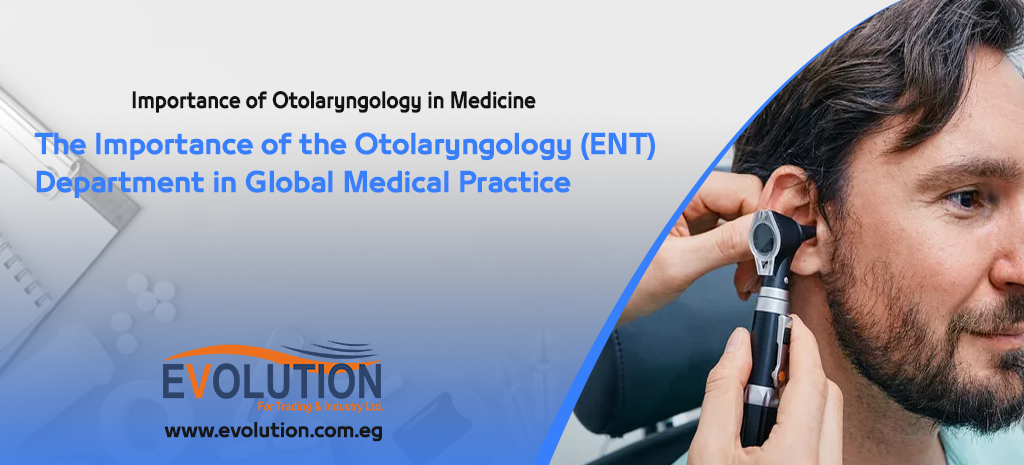
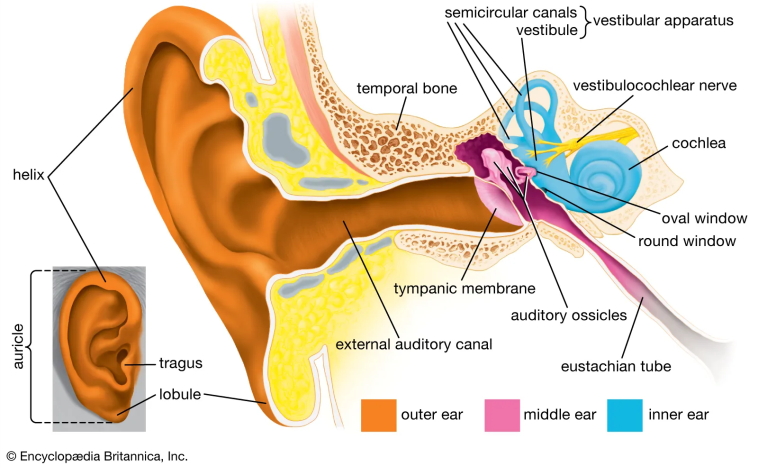
Otolaryngology, also known as Ear, Nose, and Throat (ENT) and Head & Neck Surgery, is a vital medical and surgical specialty focused on diagnosing and treating disorders of the ear, nose, throat, and related structures of the head and neck. This specialty plays a crucial role due to its direct involvement in essential human functions such as hearing, breathing, speech, swallowing, and balance.
Importance of Otolaryngology in Medicine
The ENT specialty addresses a wide range of common and complex conditions, including ear infections, sinus diseases, voice disorders, hearing loss, and head and neck cancers. Its impact on patients’ quality of life is significant, as it directly affects communication, respiration, and sleep.
Hearing loss, one of the most prevalent disabilities worldwide, represents a major public health concern. Otolaryngologists are central to the prevention, diagnosis, and management of hearing impairment, highlighting the specialty’s importance in global health systems.
Reasons for Global Importance
The global importance of otolaryngology is attributed to:
- The high prevalence of ENT-related diseases worldwide.
- Its connection to essential daily life functions.
- Its role in managing chronic and life-threatening conditions.
- The use of advanced medical technologies such as endoscopy and microsurgery.
Is There a Ranking of Medical Specialties by Importance?
There is no universal ranking system that determines the absolute importance of medical specialties. Importance varies depending on population health needs and disease prevalence. However, otolaryngology is widely recognized as a significant and competitive specialty due to its broad scope, surgical involvement, and impact on quality of life.
Conclusion
Otolaryngology is a fundamental medical specialty worldwide, contributing significantly to patient care, public health, and quality of life. Its importance continues to grow with medical advancements and increasing awareness of hearing and airway disorders.
References
Wikipedia – Otorhinolaryngology
World Health Organization (WHO) – Deafness and hearing loss
National Institutes of Health (NIH) – Otolaryngology research articles
Encyclopaedia Britannica – Otolaryngology
E.N.T Treatment Unit Development
-
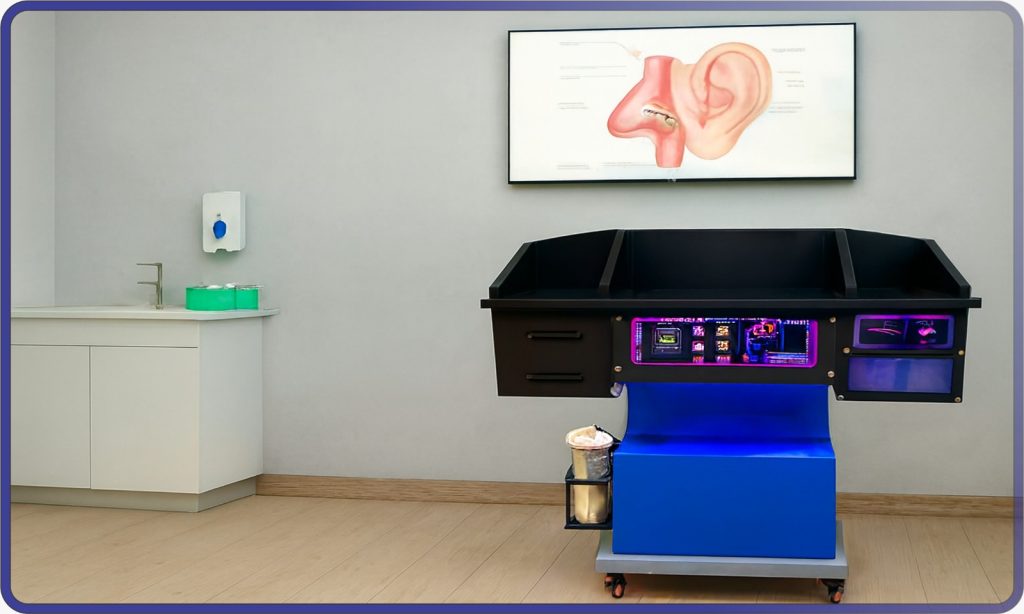
ECO 300 – وحدة كشف الأنف والأذن والحنجرة
Price range: 40.000 EGP through 80.000 EGP -
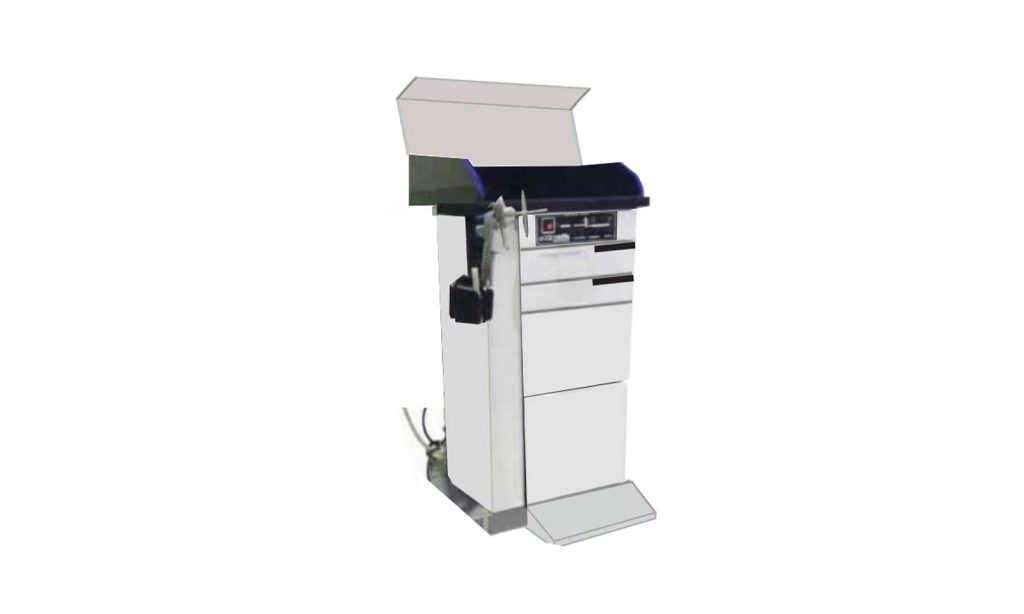
ECO-100 – وحدة كشف الأنف والأذن والحنجرة
Price range: 40.000 EGP through 50.000 EGP -

ECO-200 – وحدة كشف الأنف والأذن والحنجرة
Price range: 40.000 EGP through 60.000 EGP -

MINI-100 – وحدة كشف الأنف والأذن والحنجرة
Price range: 35.000 EGP through 40.000 EGP -
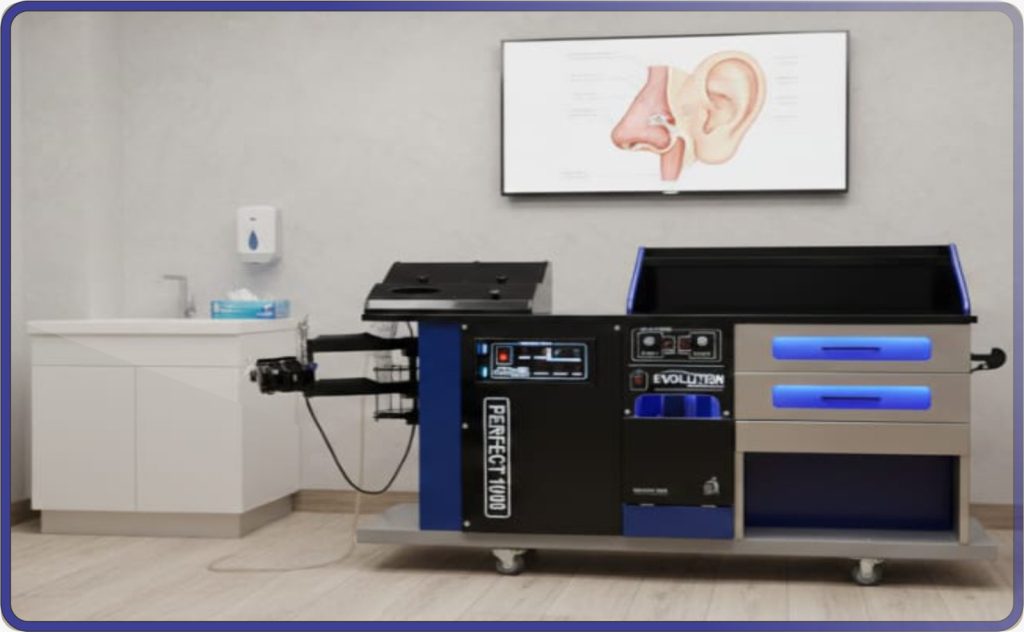
PERFECT 1000 – وحدة فحص الأنف والأذن والحنجرة
Price range: 90.000 EGP through 220.000 EGP -
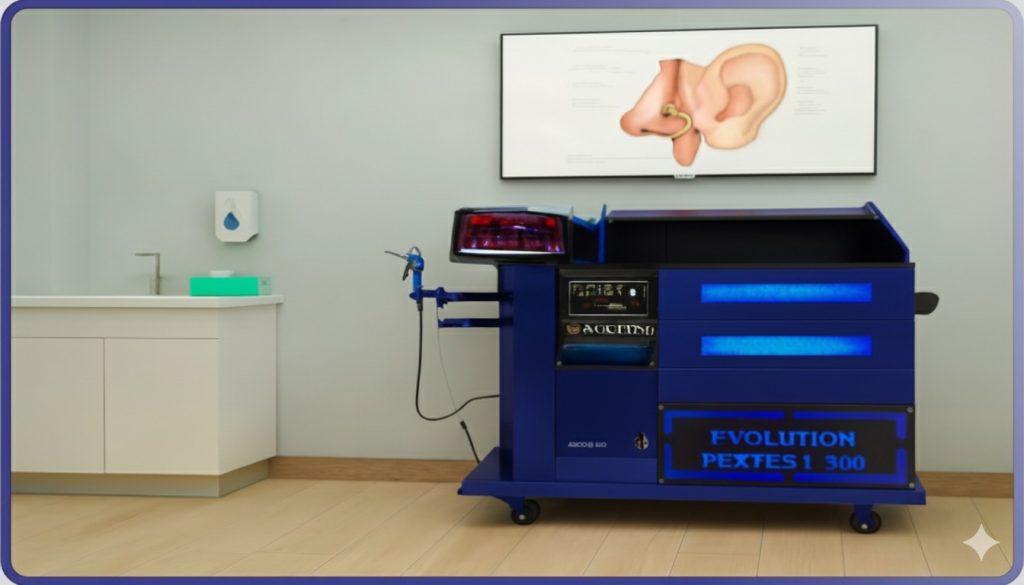
PERFECT 500 – وحدة كشف الأنف والأذن والحنجرة
Price range: 50.000 EGP through 130.000 EGP -
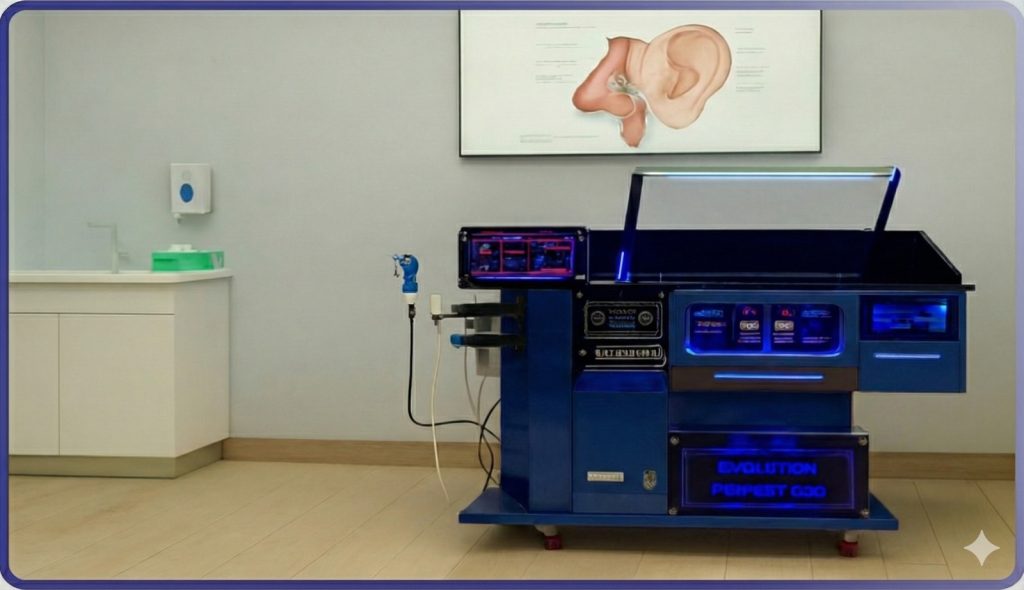
PERFECT 600 – وحدة كشف الأنف والأذن والحنجرة
Price range: 90.000 EGP through 220.000 EGP -
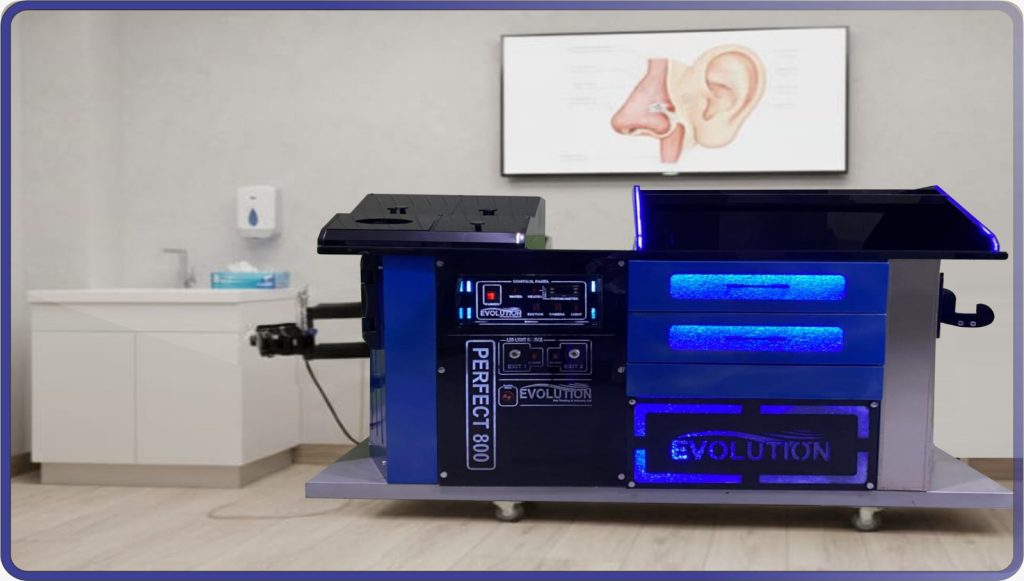
PERFECT 800 – وحدة كشف الأنف والأذن والحنجرة
Price range: 80.000 EGP through 190.000 EGP